This paleo thing

A few people recently have asked me what I think about “The Paleo Diet”.  So I thought it was worth putting this online, not just in individual conversations.

What I like:

  • It excludes two of the biggest inflammatory food sources that cause many problems for my patients 1) grains and 2) dairy.
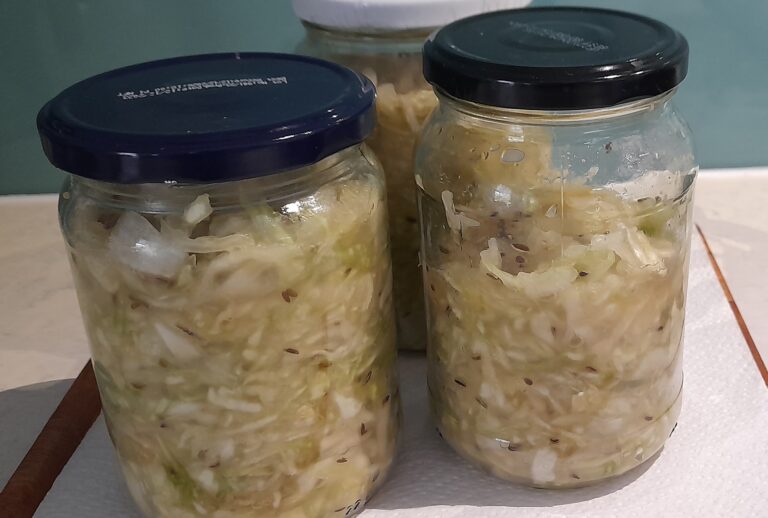
  • It encourages a lot of healthy things, including: lots of veggies; small amounts of meat; fermented foods and bone broths.
  • It promotes the use of naturally sourced fats rather than manufactured fats.
  • It’s generated a lot of really creative recipes for grain-free, dairy-free meals.

What I don’t like:

  • In some forms it promotes the purchase of a lot of expensive “fad” ingredients.  For example, you don’t need to buy starters to make kim chi – the necessary bugs are already there in the cabbage.
  • When it gets interpreted as meaning “all the meat I want to eat”.

So over to you.  It’s your health.   There is no magic  bullet, but you may well find some healthy new meal options if you follow its core principles.
Similar Posts

  • | | | |

    Think ZINC and other immune supports

    It seems like everyone knows about the importance of their immune system as the pandemic rolls on. But there’s not a lot in the mainstream about how to keep it strong… Mainstream protections are a critical starting point The mainstream approach to staying alive and well in this environment is an important, broad brush application,…

  • How does a Naturopathic Consultation work?

    As a well qualified, experienced Health Professional, I listen well to your concerns and issues. My goal is to treat you “the whole person” – so I’m interested in more than your current health issues. Before your consult Initial intake forms I’ll request you to fill in some Intake forms so I can prepare in…

  • |

    The iron deficiency that isn’t about iron

    We meddle a lot with women’s bodies – contraception, HRT, low carb diets, extreme exercise. Our bodies aren’t machines – they’re complex chemical/electrical/biological systems. For some women, it gets even more complicated if they have food intolerances or chronic fatigue issues. Sometimes, when things get out of whack, the things we think to be CAUSING…

  • Anxiety or depression refusing to shift? MTHFR and wellbeing

    I’ve been getting referrals recently from psychologists treating stubborn cases of anxiety and depression.  Counselling and medication just isn’t working well enough for some of their clients.   Physiologically, everything appears to check out OK. We’ve known for years that B group vitamins are helpful with depression, however research has recently identified that there’s a sneaky…

  • | |

    Food and medicine Foraging: Warragul greens & Sage

    Warragul Greens loves some sunshine and thrives on moisture. You can train it up and over fences too.
    Next you can see Common Sage or Salvia officinalis. ‘Officinalis’ means this is the official species used botanical/herbal medicine.
    Commonly used in cooking, sage helps ensure digestive processes work well: especially to muster our bile flow to break down consumed fats/oils. You can use sage fresh or dried for later use.
    In herbal medicine sage has a broad sphere of action: antimicrobial (including antiviral) taken as a tea and/or gargle/mouthwash; improving cognition and memory, reduces excess perspiration (sweating) in fevers or during menopause, reduces milk flow in weaning mothers. Commonly used in upper respiratory tract infections like sore throat and sinus issues.
    For best effect and safety of any herbal medicine you must consult a Practitioner to guide you on the most appropriate dose and preparation FOR YOU . Generally sage in its basic leaf form for cooking or tea is considered a very low risk herb. Easy to grow from cuttings. Let me know if you’d like to give it a go to grow. I have plenty to share. This plant has travelled around our garden for about 25 years!