Buckwheat as a great gluten-free DIY Bread
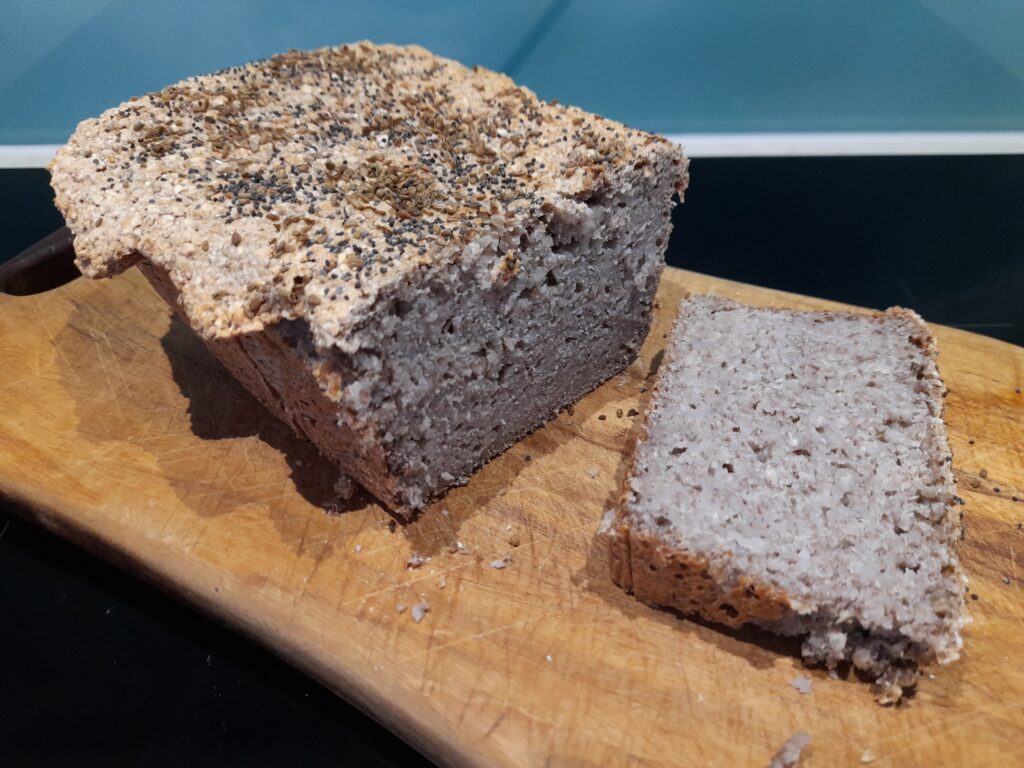
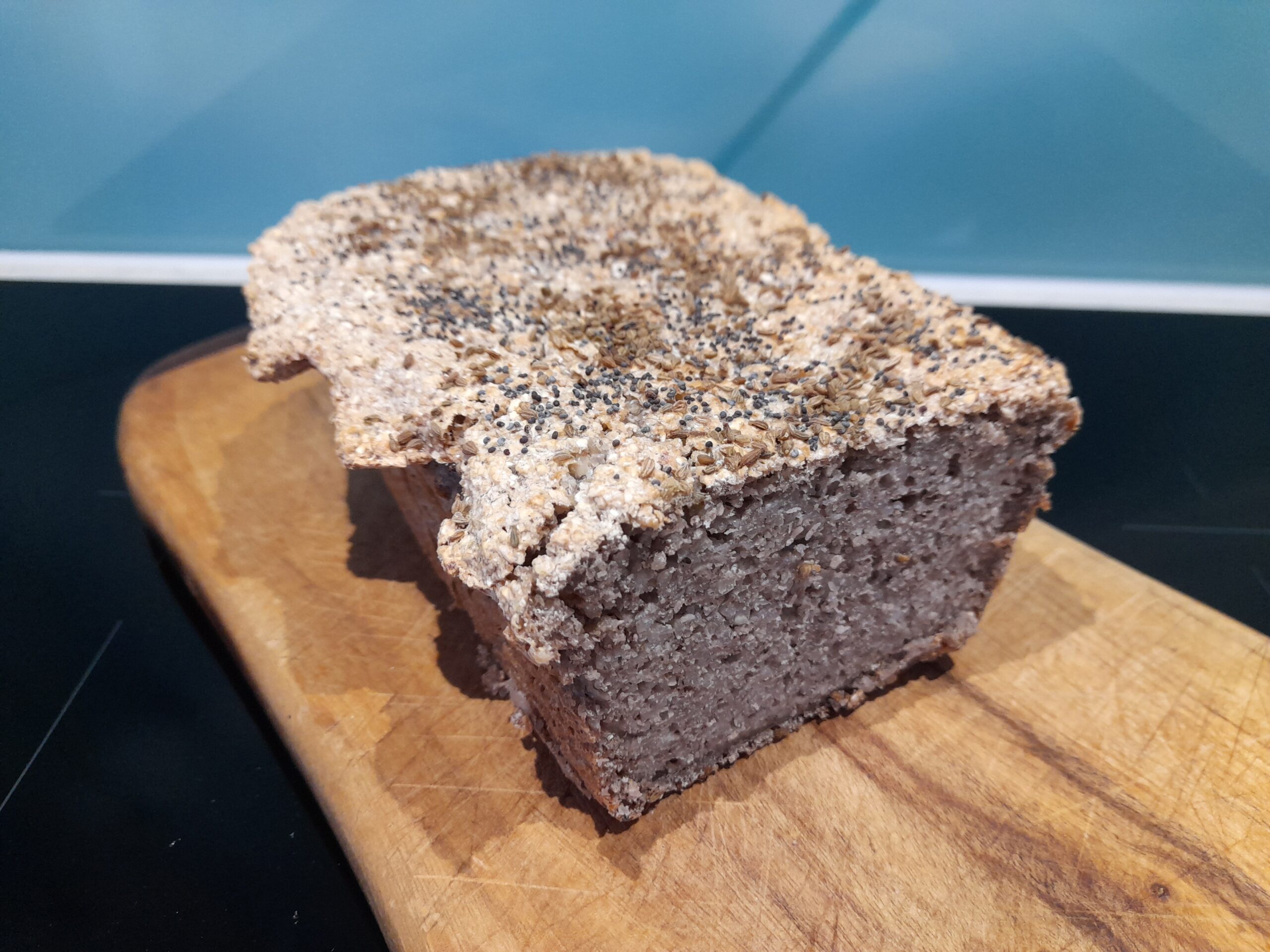
My latest favourite recipe is a bread with ONE ingredient and NO kneading – and it is yummy and healing for us.
(Get my detailed buckwheat loaf recipe HERE.)
It takes a couple of days to “do its thing” with soaking then fermentation on your bench top – but the elapsed time to get the mix happening is tiny. Then add a little salt and water, and into the oven for 90mins.
I now make 2 loaves at a time. Then I slice it and freeze until required. Nutty, flavoursome, gluten free “bread” with no additives – for breakfast toast or an afternoon snack.
What is buckwheat?
Buckwheat isn’t a well-known ingredient in Australia – but it’s gaining popularity as people understand how to use it.
Buckwheat kernels come from a plant called Fagopyrum esculetum. It’s known as a ‘pseudocereal’, for its high starch content. The kernels are the seeds of a plant in the knotweed family, Polygonaceae. Other species of Fagopyrum are also used as a food crop. I also love using the kernels as a green manure or cover crop to revitalize the soil after the veggie harvest.
Despite its name, buckwheat is not even related to wheat or even a cereal. Being a member of the Knotweed family it is related to sorrel, knotweed and rhubarb.
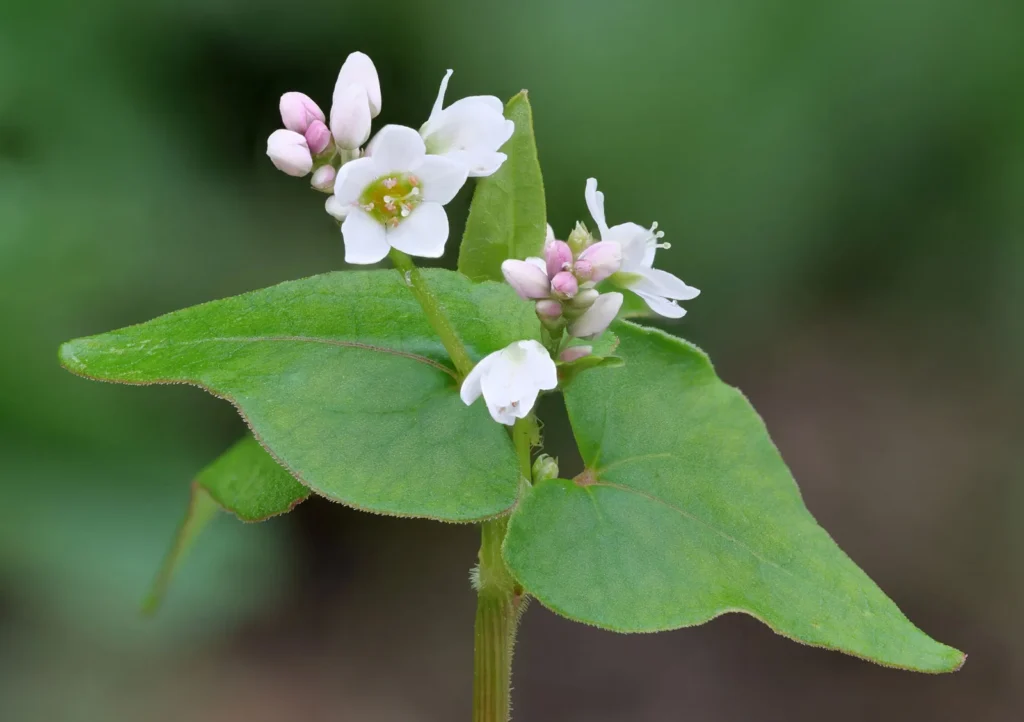
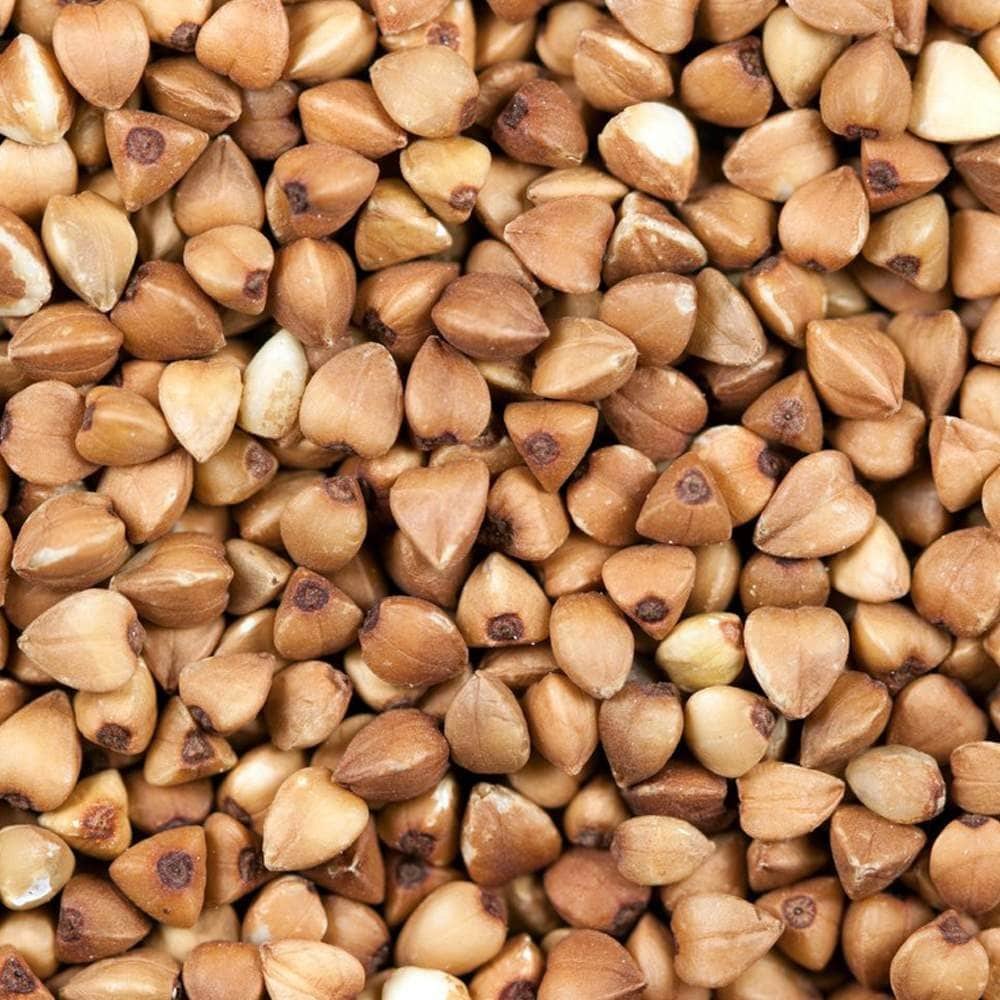
Buckwheat kernels are gluten free but high in starch – which makes it a versatile flour for use in pancakes, noodles (soba), porridge, crackers and so on. The kernels, or ‘groats’, can be used a a filler in cabbage rolls or a as a rice substitute.
Teas, a whiskey and even a gluten free beer are available – all made using buckwheat.
Health benefits
Caution: Start gradually and watch for any symptoms.
Some people can have a severe allergic reaction buckwheat, especially when a lot is consumed as sprouts and (particularly) the flowers or a fagopyrin-rich buckwheat extract. This can show up as skin inflammation in sun exposed areas, cold sensitivity or tingling or numbness in the hands.
Buckwheat, especially the F. tartaricum variety (also called bitter buckwheat) is high in rutin (a flavonoid glycoside). Rutin is a cousin of the Vitamin C family and confers strength to your small blood vessels throughout your body, promoting healthy circulation. Other high sources of rutin include citrus fruits, apples, black tea, asparagus and others.
Overall Buckwheat contributes to your metabolic and skin health via antioxidant and anti-inflammatory activities in your body.
This is a great way to diversify your food intake with a whole food high in fibre and many health giving phytochemicals. Your gut bugs will be keen to be introduced to this little ‘kernel’ of truth and vitality!
Talk to your friendly local Naturopath to find out if this is an appropriate food for you and how you can easily incorporate this into your joyful, healthy eating program.