Reflections on Mediterranean and low carb cooking
A patient of mine recently asked me if I knew of recipe books that could help her to cook more low carb/low glycemic, gluten free, “Mediterranean style” meals.
The “Mediterranean diet” gets talked about a lot – it can either mean particular styles of food from Italy, Greece, etc. However, from a health point of view it basically means “lots of vegetables and pulses/legumes plus fish and extra virgin olive oil and small amounts of meat and dairy”.
I recommended a couple of books I particularly like, including:
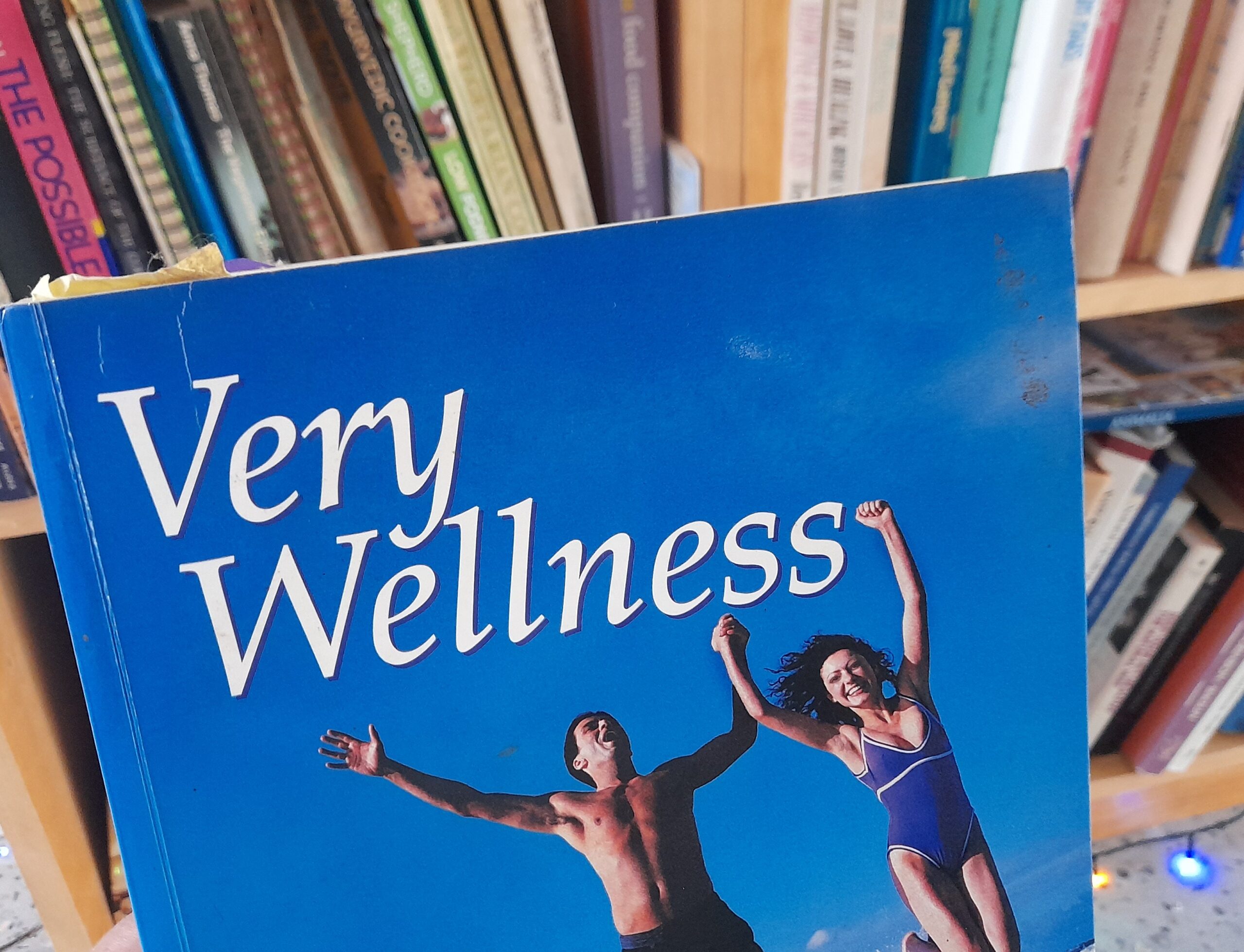
- My fave from years ago, still in print, is VERY WELLNESS by Perth Naturopath Val Allen – which includes some great brekky ideas (plus everything else) and lots of great health hints along the way (see my well used tatty copy at the start of this article).
- I also like the CSIRO Low Carb Diet series – which is based on scientific research and is effective for weight management and improving metabolic health for ideas, too – though you have to hunt through them to find recipes that tick all the above boxes.
Some other books worth considering include:
- CLEAN EATING KITCHEN: THE LOW CARB MEDITERRANEAN COOKBOOK by Michelle Dudash, which focuses on plant-based ingredients, seafood, and healthy fats, with many meals ready in 30 minutes or less.
- THE NEW MEDITERRANEAN DIET COOKBOOK k by Martina Slajerova et al, which combines a keto-friendly, low-carb approach with Mediterranean principles to promote fat burning and longevity.
- THE MEDITERRANEAN DIET COOKBOOK by Dr Catherine Itsiopoulos. While not strictly low-carb, this book brings healthy Greek food traditions to an Australian audience, and the diet can easily be adapted to be gluten-free.
- https://www.olivetomato.com/ brilliant online recipes as well as book available.
These combined-approach cookbooks often provide explicit nutritional information and dietary labels (like “gluten-free”) for individual recipes to help users manage specific dietary needs.
Think beyond “the right cookbook”
Despite good intentions, having a new cookbook doesn’t always translate quickly into healthier cooking. A lot of our cooking habits are deeply entrenched, and daily cooking is often squeezed into busy schedules. So many people have shelves full of cook books gathering dust.
(BTW, for this reason a lot of very good cook books also end up on opp shop shelves, available for a couple of dollars.)
Sometimes, a few simple “food hacks” can be easier to implement and build into new habits. For example:
- Using a spiraliser to make vegetable noodles – “voodles” to replace pasta. Zucchini and carrots are good starting points.
- Mashing cooked white beans instead of potatoes (good fibre, not so good for carbs).
- Using eggplant/zucchini (grill first) slices as “voodles” in lasagne.
- Making white sauces from silken tofu and soaked cashews.
To integrate these ideas into your meals, it may work more effectively to take one at a time and practise it, refining the flavours and textures to your family’s taste.
Leverage the internet
One of my foodie patients has started an online learning process. She has set a goal to find and print 2 new recipes each week. Then she shops for any extra ingredients and tests them.
Limiting her goal to “2 new recipes per week” makes for a gradual, more sustainable process (for her). The two trials she is planning for this week are Portobello steaks with butter bean mash and Cashew cabonara with shitake bacon.
Develop a process, don’t just buy a book
You need more than information and intention to do permanent eating pattern changes – you need a process to turn new ideas into new habits.
If books work for you, then go for it. But also think about other implementation processes that could help you to successfully upgrade your cooking repertoire.
And have a chat with your friendly Naturopath to help you hone the food strategy that will work best for you.