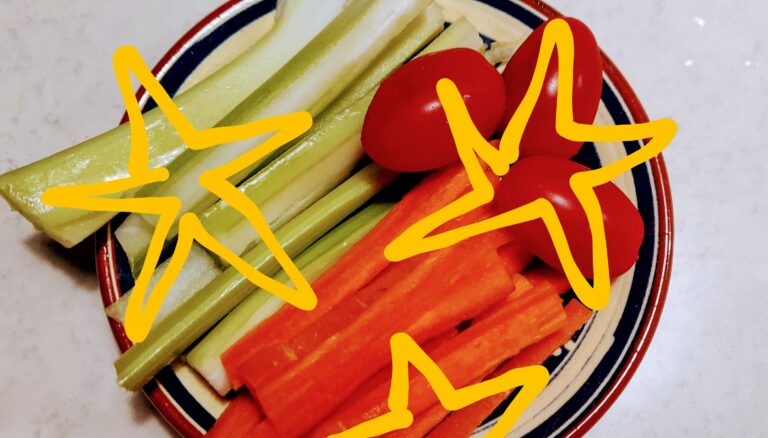
How is a space station like a couch?

A: Both stop your muscles and bones using gravity.

The medical research on keeping astronauts healthy in space is also delivering new insights into how we can keep healthier back here on Earth.  What they’re finding is that bouts of intense exercise aren’t enough – we also need to keep moving.  (Read more here)

Not difficult, hard movement – but any movement that changes our body position, uses gravity and moves our muscles and organs a bit.

“The key to lifelong health is more than just traditional gym exercise once a day, three to five times a week… The answer is to rediscover a lifestyle of constant, natural low-intensity non-exercise movement ….”
– Dr. Joan Vernikos, author of “Sitting Kills”

Change your position

So whether it’s gardening, walking, cleaning or dancing, movement matters.  If you’re an office worker in front of a computer, turn your “pause to think” into “a stand and stretch”.  You don’t have to stop thinking, go anywhere, or do any more than stand up and stretch.   Aim to change your position every 20 minutes.

Lack of movement is an independent risk factor in diabetes, heart disease and a range of Western health issues.

We’ve known this since kindergarten really. So even if you just join the Wiggles in standing up and sitting down, you’re doing your body a favour.

One finger one thumb keep moving

I run community table tennis in Monbulk on Friday nights at 7:30 (Details here) to help people connect, have fun and move.
 

Similar Posts

  • Why come back to see me?

    After a period of treatment, I often suggest people come and pick up remedies without a consultation as we know we are on the correct path and just require consolidation. However best practice requires that I see you at least once every 6 –  12 months. This is because: your life circumstances change and bring new challenges and…

  • | |

    Food and medicine Foraging Series: Warragul greens

    Food Feast: Warragul Greens/New Zealand Spinach aka Tetragonia tetragonoides. Easy nutritious green to grow in your garden (likes moisture) and you can find it along the Aussie shorelines (tastes a bit saltier). High in Vit C, magnesium, phytonutrients and fibre, this food has been a favourite of Australian indigenous peoples and early European colonists and had a resurgence of interest as a Bush Tucker option easy to grow in our own gardens. The leaf is mild to the taste and soft to the palate so easily incorporated into pies, pestos, salads and salsas. It contains some oxalic acid so those with kidney issues consult with a Practitioner first if you are concerned.

  • Talk about having a gut full – Nexium for children?

    I’ve always been concerned that western medical practitioners are quick on the draw with their prescription pads and I had further evidence in a recent consultation with a toddler who had been prescribed ongoing stomach medication from infancy to deal with chronic reflux. The prescription was from a specialist, not just a GP.  On inquiry,…

  • |

    Partners in touch – connection and communication

    I’ve been working in CAM (complementary and alternative medicine) for many years, and one powerful healing modality I use is massage.  I find that teaching massage is enormous fun as just a little know-how and technique delivers a whole new experience. I’ve been running various Massage classes since 1992, and Massage for Couples (mostly at…

  • | |

    Food and medicine Foraging: Warragul greens & Sage

    Warragul Greens loves some sunshine and thrives on moisture. You can train it up and over fences too.
    Next you can see Common Sage or Salvia officinalis. ‘Officinalis’ means this is the official species used botanical/herbal medicine.
    Commonly used in cooking, sage helps ensure digestive processes work well: especially to muster our bile flow to break down consumed fats/oils. You can use sage fresh or dried for later use.
    In herbal medicine sage has a broad sphere of action: antimicrobial (including antiviral) taken as a tea and/or gargle/mouthwash; improving cognition and memory, reduces excess perspiration (sweating) in fevers or during menopause, reduces milk flow in weaning mothers. Commonly used in upper respiratory tract infections like sore throat and sinus issues.
    For best effect and safety of any herbal medicine you must consult a Practitioner to guide you on the most appropriate dose and preparation FOR YOU . Generally sage in its basic leaf form for cooking or tea is considered a very low risk herb. Easy to grow from cuttings. Let me know if you’d like to give it a go to grow. I have plenty to share. This plant has travelled around our garden for about 25 years!

  • Handling hayfever at home

    Garlic and horseradish have been known to reduce hayfever symptoms since time immemorial.  More recently, orange peel has been identified as another (and sweeter) effective treatment. Orange peel contains natural chemicals similar to anti-histamines that can help you deal better with allergies and hayfever.  It’s a good idea to use organic fruit that hasn’t been…