How to support your immune system against the mud bug
As a Hervey Bay resident, I’ve been on the edge of the post-Alfred flooding – which long term locals tell me hasn’t been this bad in 50 years.
Our town centre has been badly damaged and I’m expecting an influx of a whole range health problems – ranging from gastroenteritis to Melioidosis (AKA: the mud bug), a life-threatening bacterial infection found in the soil and surface water especially in sub tropical to tropical regions.
For those cleaning up and inhabiting damaged areas please use first line protection like masks, washing hands regularly, mould restoration and so on. Symptoms like fever, rashes or respiratory illness can appear 1-21 days after exposure. So be on the lookout for yourself and your loved ones.
If you need antibiotic treatment also consult with your local Naturopath to obtain advice to help support your well-being while on the antibiotics as well as afterwards to help restore your gut bug natural balance.
Ways to reduce the risks of these diseases could be hiding in your pantry
70% of your immune system function is the result of your gut health – so it may be that one of the top things you can do is eat prebiotics – many of which can be found in the average pantry.
Prebiotics are the “food” that the good bugs of your gut microbiome live on – and they love the fibre you get from good foods. (You can spend a lot on probiotics – but without adequate prebiotics, it might be wasted money.)
Supplemental prebiotics (such as Inulin, PHGG and Slippery Elm) can be useful, but you can also feed your gut naturally, with long-shelf-life fibre from your pantry.
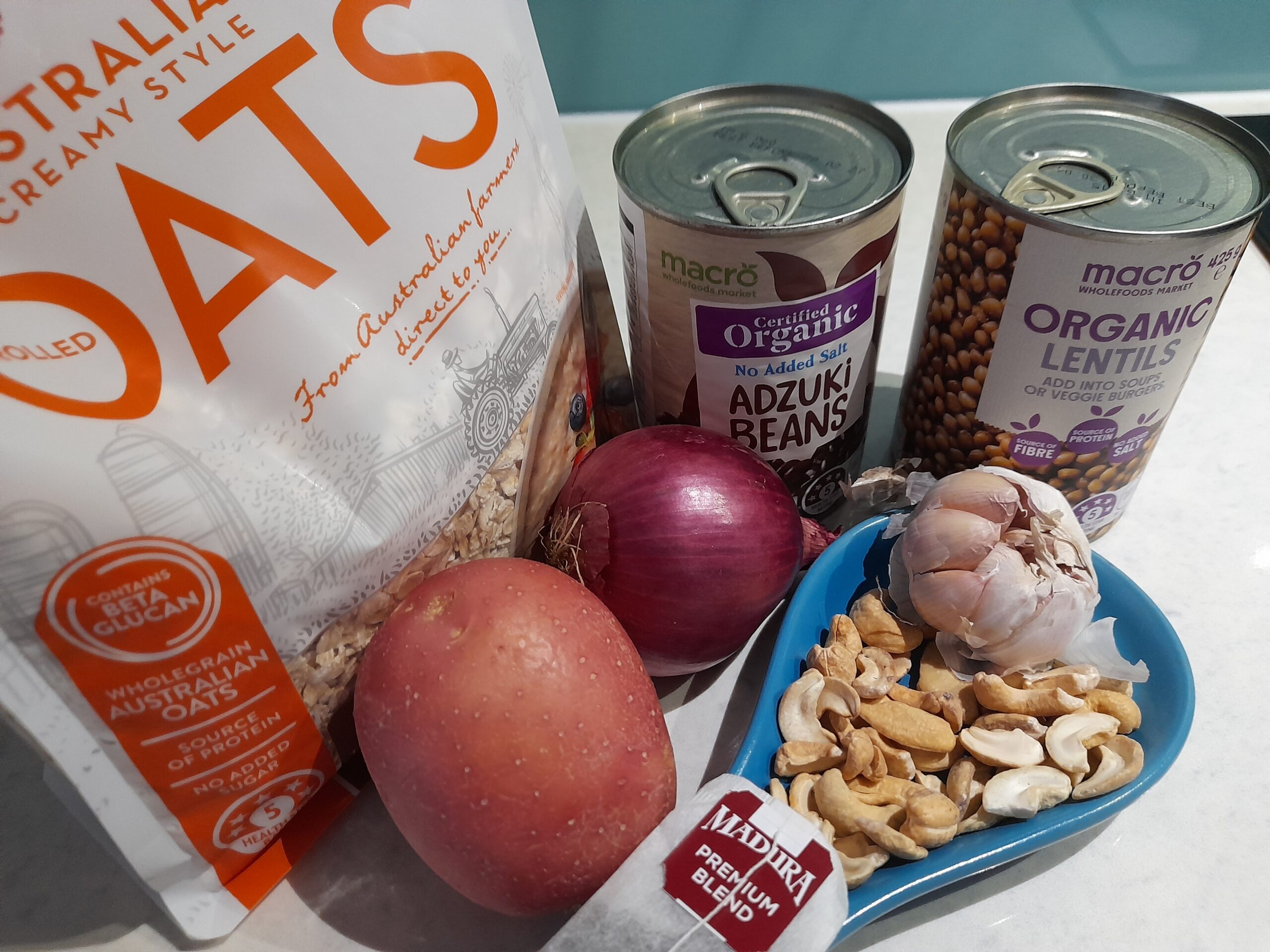
Legumes like chick peas and kidney beans, nuts, and barley are in many store cupboards, along with dried fruits like dates and prunes.
Even potatoes (once cooked and cooled) are good prebiotics.
Some Microbiome enhancing foods
There are some good lists of gut-supporting foods online – look for something along these lines to guide you:
|
FOS & Inulin |
Resistant Starch |
Fibre |
Polyphenols |
Other prebiotic foods |
|---|---|---|---|---|
|
Chicory root |
Potato, roasted, COOLED |
Flax seeds |
Blueberries |
Kiwi fruit |
|
Garlic |
Bananas |
Vegetables |
Strawberries |
Beetroot |
|
Jerusalem artichoke |
Cashew nuts |
Fruit |
Peaches |
Fennel bulb |
|
Leek |
Rolled oats, uncooked |
Whole grains |
Plums |
Green peas |
|
Onion |
Potatoes, steamed, COOLED |
Grape seed extract |
Snow peas |
|
|
Dandelion greens |
White beans |
Cranberry extract |
Sweetcorn |
|
|
Asparagus |
Lentils, cooked |
Savoy cabbage |
||
|
Bananas |
Chickpeas |
General immune system boosters can also help
If you do become unwell and also as a preventative support, then general immune system tonics such as echinacea, medicinal mushrooms, curcumins and Vitamin C will be helpful. Here’s a list I put together during COVID.
And don’t forget that the Vit D you get from sunshine (and supplements if required) also enhances the activity of your immune system.
Respiratory system support with nutrients and herbal medicines is very effective too. Naturopaths utilize plants like garlic, grindelia, licorice root, essential oils of tea tree/lemon myrtle/peppermint and supplements like NAC and magnesium. The dose and quality all make a difference.
If you’d like advice and guidance to optimise your health, get in touch today through my Contact Page.