Is it time to remove or reduce alcohol from your life?
There’s been increasing coverage in the media about the range of ways that drinking alcohol harms your health – from liver disease to cancer.
More and more people want to reduce or stop drinking – but it’s not just a matter of “just stopping” (any more than giving up smoking happens by “just stopping”).
Alcohol is a drug with recognised addictive properties for many, many people. And it’s not just a chemical addiction. Alcohol use is ALSO deeply embedded in our social patterns. That makes it a “double whammy” for people who want to cut back – because they’re dealing with both a subtle chemical addiction AND many, various social pressures.
That DOESN’T mean that it can’t be done – it DOES mean that you need good information, effective, friendly support AND quality medications and supplements to help with the physical symptoms of quitting.
This is why a Naturopathic approach to reducing or ceasing alcohol can be powerful – because it offers information and physiological support.
Naturopathy for Alcohol Cessation and Reduction
Naturopathy offers a holistic approach, focusing on the body’s natural healing processes. The addictive nature of alcohol makes this a very challenging journey for most people.
A whole-of-person Naturopathic approach allows you to feel better generally – hence increasing your vitality and energy levels as you take on this challenge.
Alcohol is a drug that changes your brain chemistry. Regular alcohol use changes the way that the neurotransmitters in your brain work. Over time, your brain habituates to alcohol and changes how it produces neurotransmitters.
This means that when your reduce or stop drinking, your brain chemistry becomes temporarily unbalanced, which leads to symptoms such as:
- Anxiety and irritability
- Insomnia and fatigue
- Sweating and tremors
- Headaches and nausea
- Rapid heartbeat
Here are some key aspects of Naturopathy that can increase your ability to reduce – and even cease – drinking alcohol.
- Nutrition. A balanced diet rich in good nutrients can help stabilise mood and reduce withdrawal symptoms. Your Naturopath will assess your dietary habits and suggest changes to support you as you reduce your intake.
- Hydration. Good hydration is crucial when you’re cutting back on alcohol. Your Naturopath can help you understand what “good hydration” means – and advise on herbal teas and electrolyte drinks to support your kidney and liver function.
- Supplements. There are a range of helpful supplements that can support your body through withdrawal. Your Naturopath can advise you on quality supplements and dosages, including vitamin B-complex, magnesium, omega-3 fatty acids and N-acetyl cysteine (NAC) that may help restore your body’s balance.
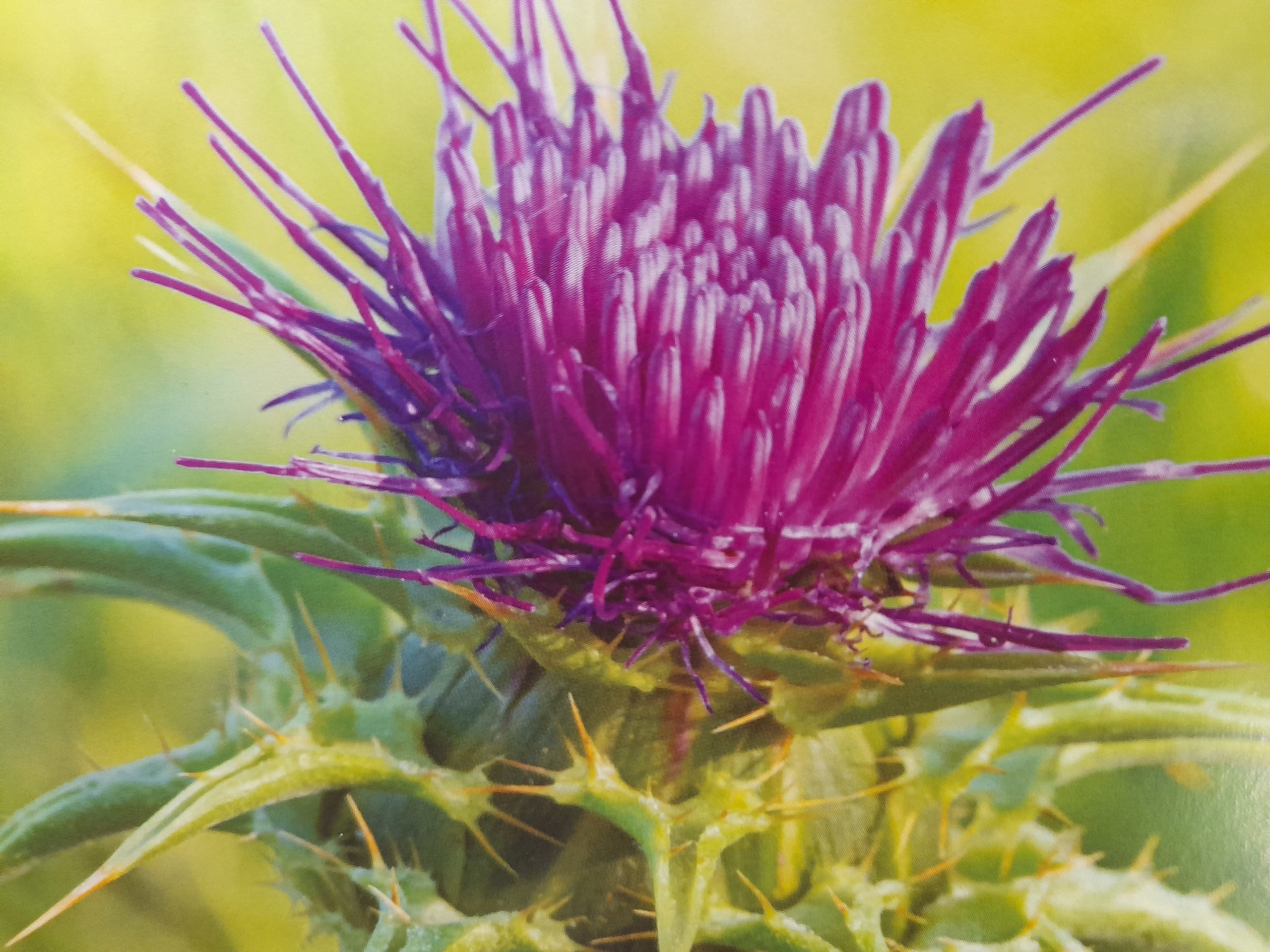
- Herbal Remedies: Herbs such as valerian root and passionflower support your nervous system and can help with anxiety, tremors, and insomnia. Kava, gotu cola and lemon balm are often used too. Milk thistle (Silymarin) supports liver detoxification and can help your liver recover from injury due to alcohol intake or infections. This is a core facet of Naturopathic expertise.
An expert Naturopath can combine the above into an integrated Holistic Detox – one that supports your mind, body, and spirit with a combination of nutrition, hydration, supplements PLUS advice on light exercise, sleep support, and calming processes to support your recovery.
Your personal treatment plan needs to be assessed according to your individual needs, your life style and your health issues. A Naturopath asks detailed questions about your lifestyle like sleep and eating habits, mental health and exercise regimes – not just your physiological symptoms.
I use results from your normal GP blood tests to ascertain what supplements/herbal medicines/foods may be required for your best recovery. I may request certain other tests to be done, including stool, urine, blood or breath tests.
As your general well-being improves over time you will be better able to use learned strategies and techniques to help you maintain balance and improve your health as you reduce your alcohol intake.
Here are some other key success factors for kicking this (or other) unhealthy habits:
- Don’t do it alone: Enlist mates or family to join the challenge and create a support network. Telling others keeps you accountable and makes it easier to ask for help.
- Mix up your schedule: It may help to avoid situations or places you usually drink. Give the pub a miss and meet friends for a morning coffee or catch a movie after work instead.
- Drink substitutes: There are many alcohol-free options that even look and taste like the real deal. Give them a try!
- Stay active: It helps you feel good and stay focused.
- Practise self-care: Have some stress-busting strategies if needed. Magnesium, B vitamins and certain herbs nourish your nervous system for better stress management.
Some useful resources to help you understand what natural and holistic approaches are and why they are helpful include:
- Natural treatments for alcoholism: https://www.ebsco.com/research-starters/complementary-and-alternative-medicine/natural-treatments-alcoholism
- Holistic Treatment for Alcoholism: Easing Symptoms Naturally: https://www.sanastowe.health/blog/holistic-treatment-for-alcoholism-easing-symptoms-naturally/
- Naturopathic Medicine for Addiction Recovery: 7 Therapies That Support Your Body’s Natural Healing: https://recovery.com/resources/naturopathic-medicine-for-addiction-recovery/
- Holistic Detox Methods: A Natural Approach to Recovery: https://www.addicted.org/treatment/detox/natural-and-holistic-detox-programs/

Product considerations:
Here are some further remedies and supports that an expert Naturopath could consider in tailoring a program to your needs.
- Adrenal supports: adrenal tonics providing licorice and rehmannia to supports the tone, structure and function of the adrenal glands, especially the cortex (where the stress hormones are made).
- Calming blends: like Chamomile, Lemon Balm, Passionflower and Zizyphus to address anxiety via alterations to glutaminergic and GABAergic neurotransmission (nerve regulators).
- Other blends address insomnia, sleeplessness and nervous tension and help elevate mood. They may include Lemon Balm, Zizyphus, Magnolia, Lavender, vitamin B6 and magnesium in appropriate forms and dosages.
- Some magnesium and herbal products activate enzymes including mitochondrial ATP synthase (for improved energy production), improve cell signalling and aim to counteract magnesium urinary excretion (from excess stress or eating habits).
- St Mary’s Thistle and others in the correct dose and quality improve liver enzymes and drug clearance
- Blends of B vitamins which can be supportive for your nervous system. Deciding the most appropriate types is done by a Naturopath by looking at your particular situation clinically and with some blood tests. Wernicke-Korsakoff Syndrome (a severe brain disorder) may accompany alcohol dependency due to decreased intake, absorption and activation of B vitamins (particularly of thiamine or Vit B1).
Other useful nutrients:
- N-acetylcysteine (2-3g/day)
- Acetyl-L carnitine (2g/day)
- Zinc
- Omega-3 fatty acids
Other supportive measures:
- Exercise: Systematic reviews suggest that structured exercise may improve physical fitness, anxiety, mood and stress in people recovering from alcohol use disorder.
If there’s one “magic pill” that helps with the majority of Western health problems, it’s exercise. - Mindfulness and relaxation practices: Mindfulness-based interventions may help some clients manage stress, emotional triggers and cravings.
Research articles of interest
There’s increasing amounts of evidence supporting the remedies and supplements used by Naturopaths – here are some relevant articles:
- How can the benefits of dietetic care be integrated into the treatment of patients undergoing alcohol withdrawal? – PMC
- Effectiveness of N-acetylcysteine in Treating Clinical Symptoms of Substance Abuse and Dependence: A Meta-analysis of Randomized Controlled Trials – PMC
- Frontiers | Effect of N-acetylcysteine on craving in substance use disorders (SUD): a meta-analysis of randomized controlled trials
- Thiamine and Other Supplements
- Effectiveness of exercise intervention in improving physical and mental status of patients with alcohol use disorders: A systematic review and meta-analysis | PLOS One
- Frontiers | Exercise as a Useful Intervention to Reduce Alcohol Consumption and Improve Physical Fitness in Individuals With Alcohol Use Disorder: A Systematic Review and Meta-Analysis
- Psychological and Physical Approaches for Substance Use Disorders: What the Science Says | NCCIH
Quitting isn’t easy – trying to do it alone is super challenging ……
Find a supportive Naturopath in addition to your caring GP, psychologist, physiotherapist, exercise coach or whoever else you’d like on your team. We’re all trained and interested to support you in your quest for health.