That tingling, numb or burning sensation in your feet and fingers – just nerves? or ‘peripheral neuropathy’
Over recent months, there’s been an increasing number of stories in the media about “peripheral neuropathy” – the medical term that describes damage to the nerves around the periphery of your body.
It’s important NOT to put up with “a bit of tingling” in your hands and feet – because it can be an indicator of developing damage that can severely impact your health over time.
So what exactly are ‘peripheral nerves’?
Nerves are like electrical wiring throughout your body. There are large nerves (think vagus nerve) that are like super highways to help send communications quickly through your body.
Then there are smaller branches of “wiring” that travel to your organs – including really important organs like your liver and kidneys and eyes. And then the smaller branches become tiny branches (like blood capillaries) that allow communication at the cellular microscopic level, so you can see, hear, smell and feel things. Your kidney and eye function in particular rely on these tiny nerve branches.
These tiny branches and end points are referred to as ‘peripheral nerves’ as they are the last section of larger nerve branches. The nerves in your fingers and toes are also referred to as peripheral nerves, because they operate at the outermost edges of your body.
Peripheral neuropathy – and its early symptoms such as tingling in fingers and toes – has multiple causes – depending what’s going on in your body.
A whole range of factors – from the wrong supplements and wrong foods to activity levels – can contribute.
And if you DON’T address the symptoms early, you can end up with a whole range of life-limiting problems – from physical mobility to vision loss.
So what are the causes – and how can you deal with them BEFORE they cause major harm to your ability to live your life well.
How can the food that you eat harm your hands and feet?
Let’s start with blood sugar — because for the majority of people with peripheral neuropathy, this is the most probable and common contributor.
Peripheral neuropathy isn’t just a problem for people with diagnosed diabetes. Sub-clinical and low level nerve damage starts happening at the pre-diabetes stage, before anyone has noticed a problem. That means millions of people are eating three meals a day that are quietly worsening their neuropathy – with no idea their blood sugar is the driver.
Every glucose/insulin spike matters. Every individual inflammatory hit to your peripheral nervous system accumulates. And the best way to stop it is also the most mundane action – eating a low glycaemic, whole food diet that keeps your blood sugar stable throughout the day.
What you eat does more than influence your blood sugar.
What you eat shapes your gut microbiome – and it’s your gut that regulates the inflammatory environment that your peripheral nerves depend on. Gut dysbiosis is driven by ultra-processed food and refined sugar. Alcohol is another input that generates chronic low-grade inflammation – inflammation that accelerates nerve damage.
Every meal you eat is either feeding the fire – or putting it out.
What’s the eating approach with the strongest health evidence?
It’s plant-based eating. Plant-based diets may reduce neuropathy symptoms in diabetic patients, most likely through a combination of improved glycaemic control, reduced systemic inflammation, and better microbiome diversity.
From one dietary shift, you get three cost-effective health improvement mechanisms. (And did you know that the planet benefits as well – because eating a plant-rich diet reduces greenhouse gas emissions.)
What to Eat and Why
Every meal you eat is either building the conditions for nerve repair or reinforcing the conditions for nerve damage. The nutrients below are the ones that best support repair and recovery of your nerves.
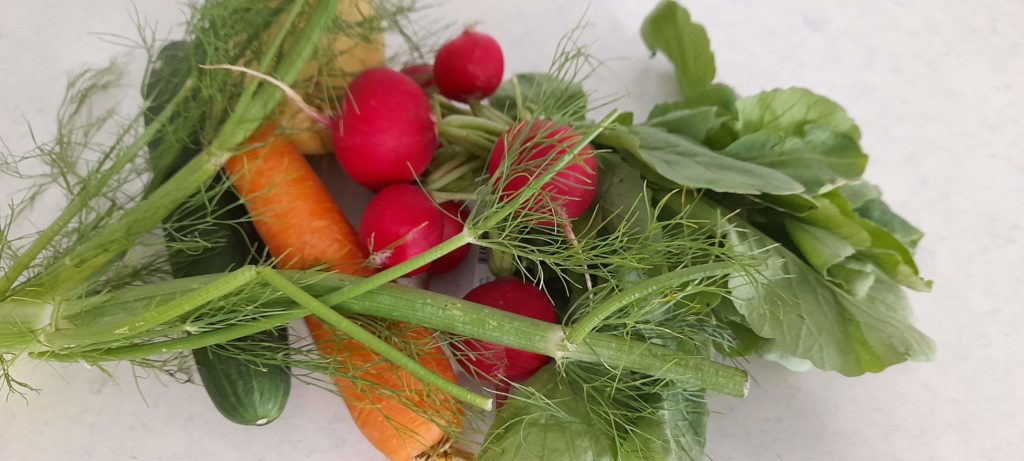
Antioxidant-rich whole foods Peripheral nerve cells are particularly vulnerable to oxidative stress, which damages both the nerves themselves and the mitochondria that power them. Dark leafy greens, berries, colourful vegetables, and extra virgin organic olive oil deliver the polyphenols and antioxidants that neutralise free radicals before they cause damage.
Omega-3-rich foods Omega-3s (found in fish skin, krill and many plants) are structural building blocks for peripheral nerve cell membranes and when you’re deficient, nerve signal transmission may deteriorate. While there is controversy about a direct anti-inflammatory effect that can help reduce the pain and nerve damage caused by chronic inflammation, plant-based sources like flaxseeds, chia seeds and walnuts, are fibre rich as well – so they help support a healthy microbiome.
If you’re supplementing, choose an algae or fish derived EPA and DHA rather than relying on dietary conversion from plant foods alone. And while there are questions about direct anti-inflammatory benefits, research supports omega-3 supplementation specifically for reducing the risk of chemotherapy-induced neuropathy.
There are some new and powerful SPMs (Specialised Pro-inflammatory Mediators) – which are very concentrated forms of fish oils – that are showing promise in shifting previously unrelenting nerve pain. See your Naturopath to get the details on these new options.
B vitamin dense foods Vit B12 deficiency is a direct, well-established cause of peripheral neuropathy. This is particularly evident in: people eating plant-based diets; those taking Metformin (a blood sugar regulation drug); and anyone with compromised gut absorption.
Fortified nutritional yeast, legumes, and seeds are good dietary sources. Your friendly gut bacteria will manufacture Vit B12 for you inside your body (if you look after them : )
Thiamine (Vit B1) is equally important – Thiamine deficiency is directly linked to nerve damage, particularly in people who drink alcohol regularly.
Magnesium rich foods — Magnesium is essential for nerve signal transmission, pain modulator receptors on cells and blood sugar regulation. Dark leafy greens, pumpkin seeds, black beans, dark chocolate (over 80% cacao) and almonds are among the richest sources.
Magnesium is one of the most widely deficient minerals in the modern diet. If you’re not getting enough through your food, supplement with magnesium glycinate or citrate or amino acid chelate – as these are the most bioavailable supplement options for nerve-related applications.
Turmeric and ginger — Curcumin (specifically, high dose bioavailable turmeric) inhibits a key inflammatory pathway that drives nerve degradation.
Turmeric in food needs black pepper and dietary fat to reach the bloodstream in meaningful amounts – use them together or take a supplement that already contains black pepper or the more concentrated bioavailable curcumin.
Seek practitioner advice for the dose and type of supplement that may best support your situation. Ginger rhizome used in a mouse study in 2020 showed an anti-inflammatory effect linked to neuropathic pain.
Fermented foods for the gut-nerve axis — Kimchi, miso, sauerkraut, kombucha and kefir are all options that introduce live bacterial cultures to your body. These support the microbiome diversity underpinning everything else.
A Stanford University clinical trial found that eating fermented foods for just 10 weeks increased microbiome diversity and reduced 19 inflammatory proteins, including the protein interleukin-6, which is directly linked to nerve inflammation.

What to Remove from Your Diet
Diet isn’t only about what you add. Some of the most impactful changes come from what you take away. For peripheral neuropathy specifically, a few foods are doing more damage than most people realise.
Alcohol Nearly half of chronic alcohol users develop peripheral neuropathy, making it one of the most underappreciated causes of nerve damage. Alcohol depletes B vitamins, damages the gut lining, and appears to have direct toxic effects on nerve tissue. If you have neuropathy – even a few early symptoms – this is the single most important thing to reduce or remove.
Refined sugar and ultra-processed carbohydrates — Every blood sugar spike is a small inflammatory event in your peripheral nervous system. Removing these spikes is the single most impactful dietary change you can make.
Gluten, for some — This one won’t apply to everyone, but for people with autoimmune-related or gluten neuropathy specifically, eliminating gluten can lead to significant symptom improvement. This is well worth investigating if the cause of your neuropathy is unclear or has been identified as autoimmune in nature.
Excess supplemental B6 — This is easy to miss, but important: while dietary B6 is essential for nerve health, high-dose B6 supplementation can actually cause peripheral neuropathy. If you’re taking a B complex, check the B6 dose carefully and consult your Naturopath before continuing.
Be aware that B6 is a common “extra” in a range of other supplements – so if you’re taking supplements without the supervision of a naturopath, check the labels closely.

The Supplement Protocol
Diet is the foundation of nerve health and the microbiome that supports nerve health.
Supplements are what you build on top of it. The ones below have the strongest evidence for peripheral neuropathy benefits specifically.
Alpha Lipoic Acid (ALA) This is the standout, and if you only add one supplement, make it this one. Of all the natural compounds studied for peripheral neuropathy, ALA has the most robust evidence behind it. Multiple randomised controlled trials and meta-analyses support 600mg once or twice daily. Check with your Naturopath for a quality assured brand.
Pain, numbness, and paraesthesia have improved in as little as three weeks. One review found it better tolerated than currently used analgesic drugs, with a faster onset and broader benefit, improving sensory deficits as well as pain. It works by targeting the mitochondrial (the power house in each of your cells) energy deficit at the root of nerve damage.
B Vitamins If ALA is the foundation of the supplement protocol, (the right) B vitamins are the essential repair crew. Methylcobalamin, the active, usable form of B12, has direct evidence for reducing neuropathic pain, paraesthesia, and autonomic symptoms.
If you take metformin, getting your B12 tested is a must! Metformin depletes B12 silently over time, and many people with diabetic neuropathy have a drug-induced deficiency driving their symptoms without knowing it. Benfotiamine, a fat-soluble form of B1, has additional evidence specifically for diabetic neuropathy and is significantly better absorbed than standard thiamine.
Vitamin D — Given that research has found the majority of diabetic neuropathy patients to be deficient, ensuring adequate vitamin D intake is very important. Most people will need supplementation to reach therapeutic levels. Have your level tested then retested a few months later if you need a supplement. Ideally aim for 120 on the blood test.
Nicotinamide Riboside (NR) NR is a form of vitamin B3 that boosts NAD+. This is an essential fuel for nerve cell mitochondria. Animal studies (2016) show it protects against diabetic sensory neuropathy beyond what blood sugar control alone achieves, and there’s a case report of improved nerve function in hereditary neuropathy.
Human trial data is still limited but it’s certainly promising. Consult with your Naturopath to ensure appropriate dose and quality product.
CoQ10 is a useful addition alongside ALA. The two work well together, both targeting mitochondrial dysfunction from different angles. At 400mg daily, CoQ10 (ubiquinone type) improved clinical outcomes and nerve conduction in a randomised placebo-controlled trial of diabetic polyneuropathy.
One caveat: there is some evidence it may worsen neuropathic pain in HIV patients with medication-induced neuropathy. If that applies to you, discuss with your healthcare provider before starting.
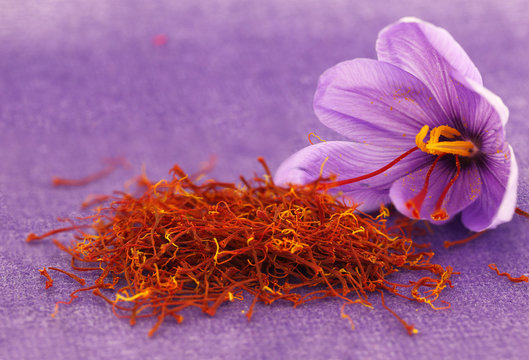
Saffron (Crocin) This is one to watch for as research continues. Crocin, the active compound in saffron, showed genuinely promising results in a 2025 randomised placebo-controlled trial, significantly reducing pain scores and neuropathy symptom severity in diabetic patients over 12 weeks. The trial was small and further research is needed, but the anti-inflammatory, antioxidant, and neuroprotective mechanisms are compelling.
Natural Pain Relief
The protocol above works at the root cause level — but when your feet are burning at 3am, you need something that helps now. Here are some options that work on pain more directly, and which can be useful while the deeper layers do their work.
Topical CBD is worth knowing about. One 2020 trial found it significantly reduced intense pain, sharp pain, and cold and itchy sensations in people with peripheral neuropathy, working through different pain pathways to standard medication.
Pair CBD oil with PEA (Palmitoylethanolamide), a naturally occurring compound with a growing evidence base across diabetic neuropathy, sciatic pain, carpal tunnel, and chemotherapy-induced neuropathy.
It’s well-tolerated, and works by regulating the gene networks controlling pain and inflammation, and can be used safely alongside everything else in this protocol. Always check for quality control and quality assurance with these popular products as it’s so easy to substitute with cheaper ingredients.
For more significant pain, ask your healthcare provider about high-dose capsaicin patches. At 8% concentration, they sound counterintuitive – more chilli, less pain? – but the mechanism is solid: they overwhelm and desensitise the TRPV1 pain receptors responsible for neuropathic pain until the signal quietens.
Clinical evidence supports their use in both diabetic and chemotherapy-induced neuropathy, and they’re available through healthcare providers rather than over the counter.
The Exercise Evidence
Exercise for neuropathy might seem counterintuitive. When your feet are burning and your balance is compromised, the last thing you probably feel like doing is to move more.
But the research is clear and consistent. Aerobic exercise reduces neuropathy symptoms, improves nerve blood flow, and remarkably has been shown (2019) to promote the actual regrowth of small-diameter nerve fibers in both animal models and human trials.
This isn’t just symptom management. It’s stimulating nerve repair at a structural level.
Sitting still is not a neutral choice for your nerves. Walking, swimming, cycling, yoga – the type matters less than showing up consistently. Start where you are. Even gentle daily walks make a difference.
Excess weight drives neuropathy
Weight loss adds another layer of causation. Excess weight drives neuropathy through blood sugar dysregulation, ongoing inflammation, and reduced blood flow to peripheral nerves.
Losing weight doesn’t just reduce those drivers. Research suggests it can slow the progression of neuropathy and, in some cases, begin to turn it around.
Don’t let the options overwhelm you
There are a LOT of options here. Don’t let them overwhelm you – treat them as a source of hope for healing and improve health.
Book a Consult with your Naturopath to help you sort out a co-ordinated, manageable approach that’s designed for your life and your goals. That way you can improve your health. and not feel overwhelmed.
Many lifestyle choices affect the way you feel pain: your sleep quality and your eating and exercise habits – as well as your stress levels and medication intake. A Naturopath is trained to help YOU get your priorities sorted and turn good intentions into practice as you support your body to heal itself naturally.
Book a Consultation through my Contact Page if you want to avoid the painful, life-limiting impacts of Peripheral Neuropathy and get back to being your best self.