Jen-sunset caravan

Human needs – the view through the caravan door

We’re “on the wallaby” at the moment – travelling up the Australian east coast towing our temporary home (caravan) behind us.

The weather is less than ideal, and the process has given us a whole new perspective on fundamental human needs.

Some of you may have explored Maslow’s approach to human needs – that traditional western hierarchy of: PHYSIOLOGICAL NEEDS, SAFETY NEEDS, LOVE/BELONGING, ESTEEM, SELF-ACTUALISATION.

Personally, I connect better with Cross’ interpretation of Native American philosophy:
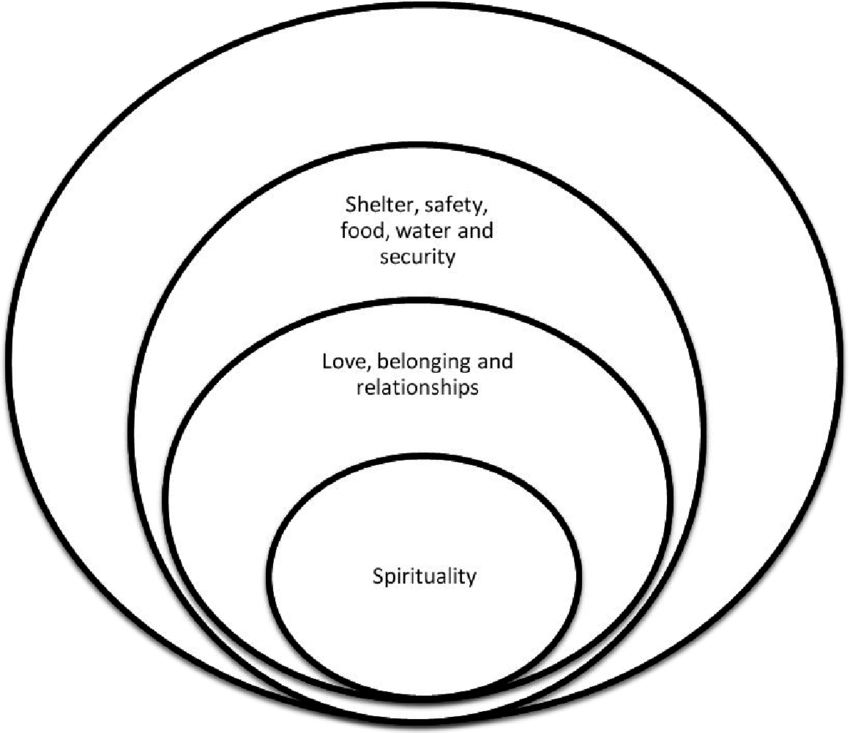
Cross-2007-reinterprets-Maslows-hierarchy-of-needs-through-Indigenous-eyes
  1. To maintain our SAFETY, we need to get enough sleep.
    That means we can avoid the roo jumping in front of us, while anticipating the rogue truck driver traversing the double white line.
  2. To fill our physical need for sleep, we require SHELTER.
    Our caravan is brilliant – but there is still a fair bit of effort required: finding (or creating) even terrain; temperature and comfort of bedding.
  3. And then the rain!! We’ve lucked into the wettest NSW spring in generations – so is the repair to the caravan roof “fully fixed” – or are the drips quietly building??
  4. Even with a level, warm, dry (so far) bed, we need to have noise and light management – and that’s tricky on a weekend night in a busy caravan park where the regulars have a party happening!

We’re also facing a SECURITY challenge – because we’re not just “on holiday” – we’re on a journey to a new home in a new place – one that’s a long way from friends and family. (Perhaps that’s why we’re a touch more stressed than usual?)

Everything is intensified in our tiny, mobile world – so we have to practise well-being with deliberation and intent.

We’ve honed our perspectives – practising more patience and acceptance, then leaning on each other, staying in touch with old friends – and making some new “old friends”.

And it is – just as much as before – necessary to make time for basic self care – taking that walk, enjoying a shower, watching for birds and insects and plants. How are you caring for yourself daily?

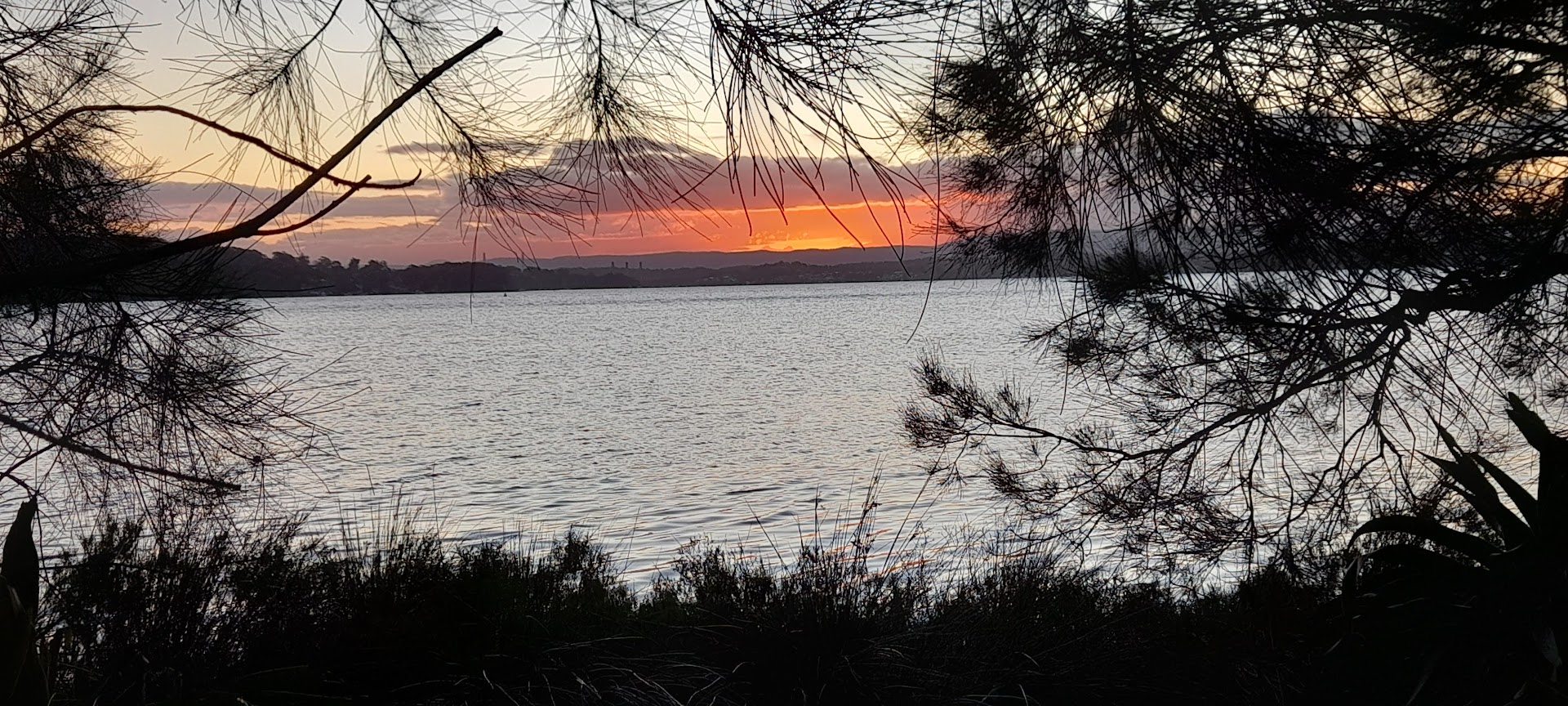
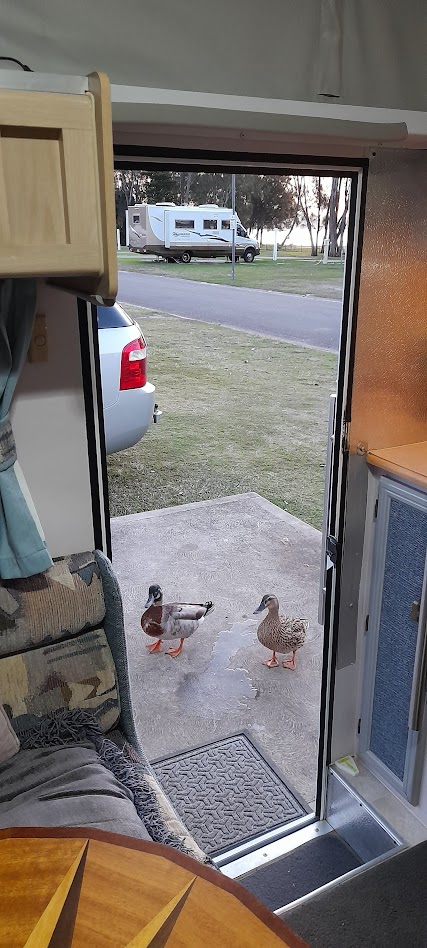
PS: Here’s the view through my caravan door today:
Similar Posts

  • |

    Holiday hints to stay healthy

    The festive season has arrived – and along with lots of fun and reconnection, it also brings temptation, stress and challenges to our best intentions. The challenges of food A few bubbles – and lots of water Go for moderation rather than deprivation – you’ll be more successful. Rather than declare “no alcohol”, declare “lots…

  • |

    Getting back to preventative health – and ready for a new year

    The start of a new year is a great time to do a stock take on your health and well being – especially post-lockdown. Getting ready to review your health with your Naturopath starts by getting an up-to-date set of blood tests. Often your doctor has already done preliminary tests – so you don’t need…

  • Metabolic musings on lilly pilly

    My neighbour and her 8 year old daughter dropped in and asked for a glass of water. I’d just made a fresh batch of infused lilly pilly spritz – the leaves (Sygygium species) added to our spritzed rain water (‘sky wine’). I like to trim off the young leaves from our back garden hedge then…

  • | |

    Food and medicine Foraging: Warragul greens & Sage

    Warragul Greens loves some sunshine and thrives on moisture. You can train it up and over fences too.
    Next you can see Common Sage or Salvia officinalis. ‘Officinalis’ means this is the official species used botanical/herbal medicine.
    Commonly used in cooking, sage helps ensure digestive processes work well: especially to muster our bile flow to break down consumed fats/oils. You can use sage fresh or dried for later use.
    In herbal medicine sage has a broad sphere of action: antimicrobial (including antiviral) taken as a tea and/or gargle/mouthwash; improving cognition and memory, reduces excess perspiration (sweating) in fevers or during menopause, reduces milk flow in weaning mothers. Commonly used in upper respiratory tract infections like sore throat and sinus issues.
    For best effect and safety of any herbal medicine you must consult a Practitioner to guide you on the most appropriate dose and preparation FOR YOU . Generally sage in its basic leaf form for cooking or tea is considered a very low risk herb. Easy to grow from cuttings. Let me know if you’d like to give it a go to grow. I have plenty to share. This plant has travelled around our garden for about 25 years!