Holiday hints to stay healthy
The festive season has arrived – and along with lots of fun and reconnection, it also brings temptation, stress and challenges to our best intentions.
The challenges of food
A few bubbles – and lots of water
Go for moderation rather than deprivation – you’ll be more successful. Rather than declare “no alcohol”, declare “lots of water” – then create a strategy to make that easy. If you’re catering, put jugs of water on the table. If you’re visiting, ask for a jug of water.
Make your water more interesting, so it’s festive too:
- Soda adds bubbles
- Some chopped fruit – lemon wedges, halved strawberries, a few crushed blueberries create a beautiful pink.
- Some slices of ginger or sprigs of mint can add some extra party style.
- If you brew your own kombucha, add an inch in the bottom of your jug.
- a few drops of Stevia can sweeten without calories
Defensive snacks
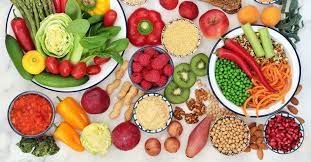
With drinks come nibbles – and most commercial ones come with calories, salt and fat. So do your research and find some healthier, more creative solutions. These days, bringing a plate is much more accepted, so take some healthy snacks to contribute:
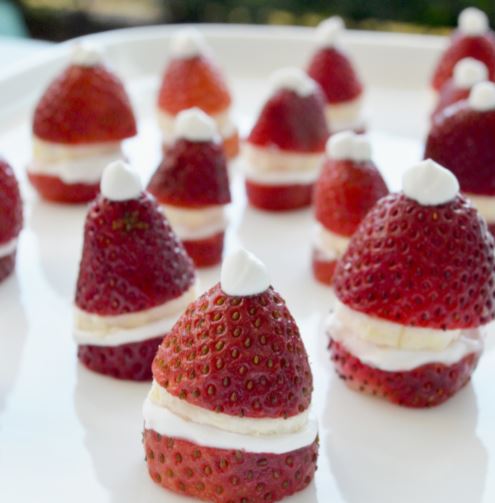
- Strawberry halves styled to look like Father Christmas
- Home made dip from roasted capsicum (or pumpkin, or sweet potato)
I found a lovely collection of healthy eating and drinking ideas in this BioConcepts spread.
D esserts with love (and without excessive sugar)
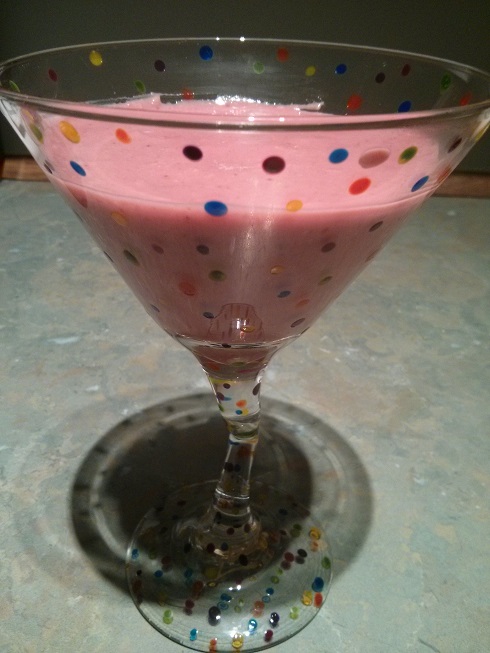
Make up a Berry Delicious dessert – and in a festive dish or cocktail glass, it will put a lovely finish on your celebration.
It’s the most wonderful (and stressful) time of the year
Whatever the myths of end-of-year gatherings may say, the festive season is a time when emotions run higher than ever in some families.
Some tips for keeping things in balance are:
- Eat a little before you go to a gathering – so you can eat more mindfully and make better food choices.
- Give yourself permission to take a short time out – even if it’s just some deep breathing in the car before you enter, or in the bathroom.
- See your Naturopath for some natural first aid remedies to pop in your pocket or purse. For instance, some Rescue Remedy drops or Passion Flower herb will calm your nerves quickly and naturally.
Move your body
In some families, the big day involves eating spread over a considerable period of time. By default, this can also mean extended periods of sitting.
So make a plan to move your body during the course of the day:
- Take a wander in the garden.
- Suggest a walk with the kids after the main course.
- Bring a tennis ball or a frisbee – or break out an old-fashioned badminton set.
Be kind to yourself
Think about what you need ahead of time.
Do something to ease any emotional issues that may be likely to develop – meditate, journal, talk to a good friend.
Have some strategies ready to act on – the festive season can become a hot house of emotions in some families, and if yours is one then you’ll benefit from being prepared.