
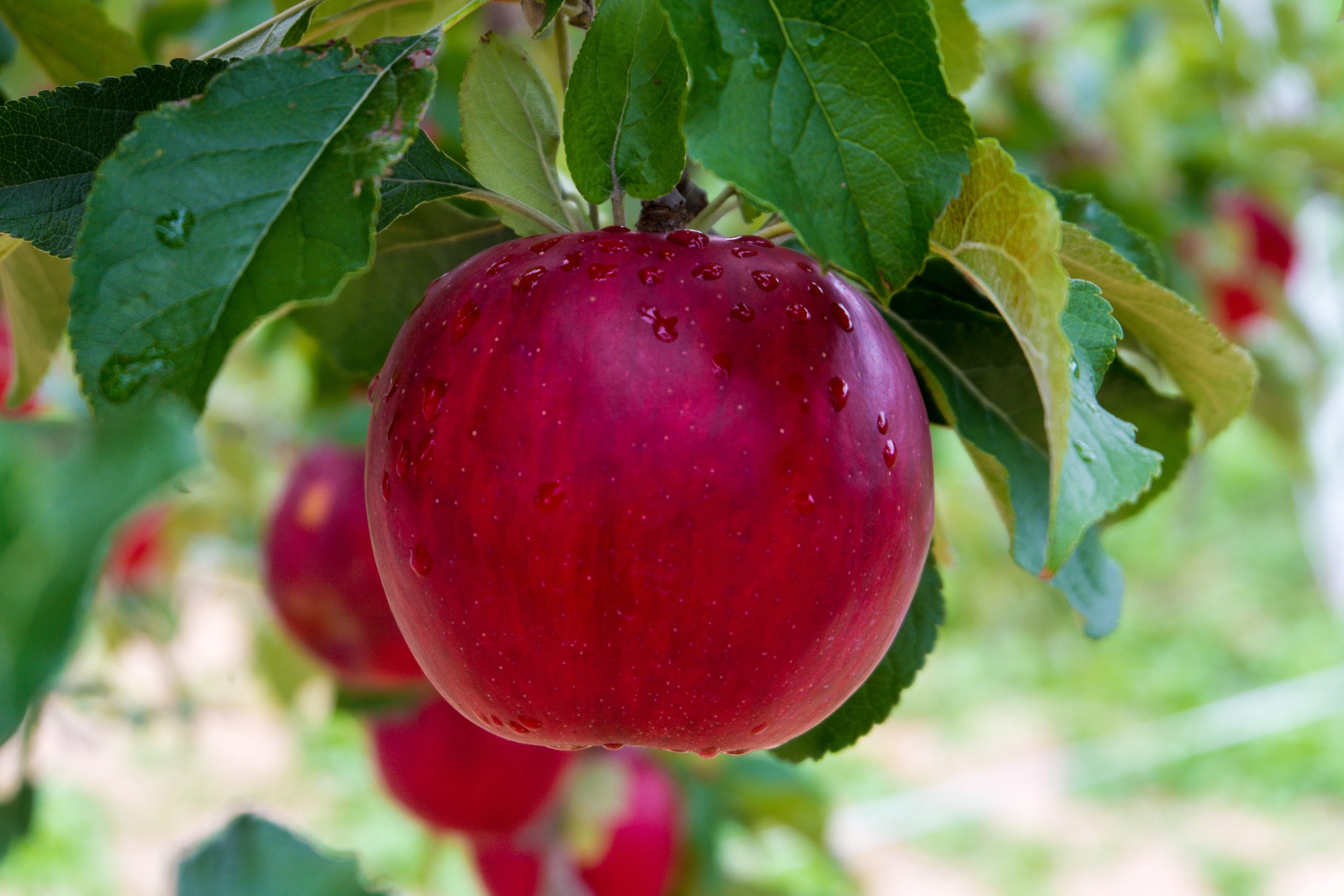
Can an apple a day help you recover from COVID?
This fascinating article “Defending Against Post-Infection Cardiovascular Disease” by Michael Passwater was published in a recent update from the Orthomolecular Medicine News Service.
It warns about the long term risks of COVID that are being identified.
“Following a serious viral illness, an increased risk of heart attack, heart failure, stroke, venous thromboembolism, and death may persist for months. These risks are especially prominent following Covid-19 infections, and may exist even when the acute phase of the illness is mild.”
Michael Passwater, “Defending Against Post-Infection Cardiovascular Disease“
Epedemiological studies of post-COVID recovery are finding that even mild cases of infection have been found to be 2.7 times more likely that a control group to experience cardiovascular problems. (Read the study above for more details of the physiological and biochemical processes that COVID-19 impacts.)
In summary, COVID-19 has been shown to break down key nutrients within our bodies and disrupt vital metabolic pathways, increasing both inflammation levels and susceptibility to blood clotting.
Our western industrial diet is known to create nutrient deficiencies – and nutrient deficiencies increase the body’s susceptibility to infectious diseases. In a vicious cycle, invading viruses and bacteria – and the body’s response to them – increase the consumption of vital nutrients and disrupt how we use them.
Restoring your health after COVID is about more than eliminating the virus itself – you also need to restore your nutrient levels and biochemical pathways.
One of these key nutrients is Rutin – a natural substance of importance for the prevention of thrombosis (blood clots) that is found in apples, figs, asparagus, buckwheat and black/green teas.
Rutin is one of the few substances known (synthetic or natural) that can both help prevent clots and help break down unwanted clots. It also has antioxidant and anti-inflammatory properties, and it has been shown to lower LDL cholesterol and ease arthritis pain.
The Rutin content of apples can vary, and a therapeutic dose of 250-500 mg of Rutin would take 5-10 apples, but it is also available as a dietary supplement.
Following a serious viral illness such as COVID-19, an increased risk of heart attack, heart failure, stroke, venous thromboembolism and death may persist for months. During and after illness, it is important to restore your full spectrum of nutrient levels.
Passwater’s recommended protective nutrients include: Vitamin C, Vitamin D, Vitamin E, Vitamin K2, Nicacin, Magnesium, Zinc and Selenium. Plus – for COVID infection recovery – Rutin and Lysine as well.
So it will take a good deal more than one apple per day – but including apples, tea and asparagus in a healthy, nutrient-rich diet would be helpful for your recovery in more ways than one
Read the full article here: https://orthomolecular.activehosted.com/index.php?action=social&chash=03c6b06952c750899bb03d998e631860.251&s=6b535e5bdf9a5c8016309154e8948a2b